Paper Sheets: A Typeface Where Classic Calligraphy Meets Modern Edge
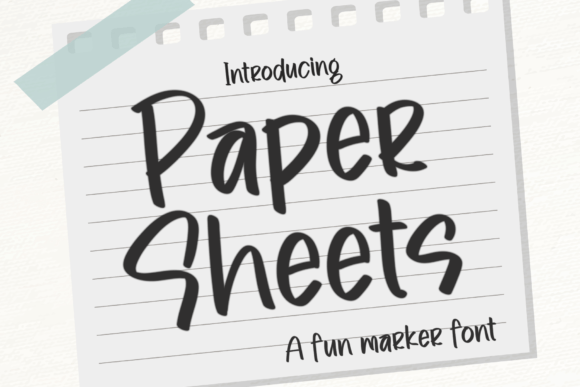
There's a particular kind of magic that happens when a design feels both timeless and fresh. It's the feeling of holding a beautifully letterpressed business card, or seeing a logo that manages to be elegant without a hint of stuffiness. This delicate balance is exactly what the Paper Sheets font achieves. It’s not just a set of characters; it’s a stylistic bridge. Inspired by the fluid grace of classic calligraphy, this display font has been meticulously refined to possess a contemporary atmosphere and impeccable form. The result is a typeface that feels both familiar and excitingly new, offering a versatile tool for anyone looking to add a touch of sophisticated personality to their work.
The Visual Personality: Balanced, Varied, and Unmistakably Stylish
What sets Paper Sheets apart from the sea of available fonts? It starts with its core visual character. The designers focused on creating something balanced and varied, meaning it avoids the common pitfalls of script or display fonts that can feel either too rigid or too chaotic. Each letterform carries the subtle, organic imperfections of a hand-drawn script, but with a precision that ensures clarity and cohesion. This isn't a font that screams for attention; it whispers with confidence. The contemporary atmosphere comes from its clean lines and thoughtful spacing, making it feel at home in a modern minimalist layout as much as in a more ornate, vintage-inspired design. It’s a premium font that feels intentional, where every curve and connection has been considered to enhance the beauty of a project, not overwhelm it.
From Brand Identity to Packaging: Where This Font Shines
The true test of any creative font is its real-world application. Paper Sheets is a versatile powerhouse, adaptable to a surprising range of projects. Its strength lies in its ability to convey personality and emotion quickly, which is crucial in visual communication.
For branding and logo design, it offers an immediate sense of artisanal quality and care. Imagine it on the logo for a boutique coffee roaster, a handmade skincare line, or a high-end florist. It tells a story of craftsmanship before a single word of copy is read. This makes it an excellent choice for businesses in the lifestyle, beauty, wedding, and gourmet food industries.
In packaging design, Paper Sheets can be the hero element that makes a product leap off the shelf. Use it for product names on labels, boxes, or wrapping paper. It pairs beautifully with minimalist sans serif fonts for body text, creating a hierarchy that is both beautiful and functional. Think of a craft chocolate bar or a scented candle—the font itself becomes part of the sensory experience.
The digital space is equally welcoming. For social media graphics, it cuts through the noise. A quote card, a sale announcement, or a featured blog post title rendered in Paper Sheets instantly looks more curated and professional. On a website or blog, it’s perfect for impactful headers, section titles, or call-to-action buttons, adding a human touch to the digital interface. It’s a fantastic asset for creative entrepreneurs building a cohesive online presence.
Don't overlook print. For invitations, posters, and editorial layouts in magazines or lookbooks, this font brings a level of elegance and intentionality that generic fonts lack. It can elevate a simple wedding program or make a promotional poster for a local art show feel truly special.
Practical Wisdom: Pairing, Testing, and Licensing
Finding a beautiful font is one thing; using it effectively is another. Here’s how to integrate Paper Sheets into your workflow for maximum impact.
Mastering Font Pairings: A display font like Paper Sheets is rarely used alone. The key is to pair it with a typeface that complements rather than competes. A clean, geometric sans serif font (like Montserrat or Lato) for body text creates a stunning contrast, letting the script font take center stage for headlines. For a more classic, editorial feel, a simple serif font (like Georgia or Garamond) can work well. Always test your pairings at the size they'll be viewed. A combination that looks great on your design screen might become muddy when printed small or viewed on a mobile phone.
Prioritizing Readability: As a display or script font, Paper Sheets is designed for impact, not for long paragraphs of text. Its sweet spot is in headlines, logos, titles, and short, impactful phrases. For body copy, always default to a highly readable serif or sans serif font. The contrast in style and function is what makes a layout both beautiful and easy to navigate.
Exploring the Full Family: A well-crafted premium font often comes with more than one style. Investigate what’s included with your download. Paper Sheets may offer alternates, ligatures, or stylistic sets—these are variations of certain letters that can add even more custom flair and avoid repetitive looks in your text. Using these features thoughtfully can make your typography feel truly unique.
Understanding Commercial Use: If you're using the font for a client project, merchandise for sale, or a business logo, you must ensure you have the correct commercial license. This is a critical, non-negotiable step. Reputable font foundries and marketplaces make licensing clear. Using a font without the proper license for commercial work is a legal and professional risk that’s easily avoided.
Elevating Your Creative Toolkit
In a world saturated with visual content, the details matter. Typography is a silent ambassador for your brand and your message. Choosing a thoughtful, well-designed typeface like Paper Sheets is an investment in visual consistency and professional presentation. It’s a design asset that helps build brand recognition, as customers begin to associate that distinctive, elegant lettering with your unique style. Whether you're a small business owner crafting your first visual identity, a designer building a client's brand system, or a content creator wanting to add polish to your digital products, having a versatile and stylish display font in your toolkit is invaluable. It’s the kind of element that doesn’t just fill space—it creates atmosphere, tells a story, and ultimately, helps your work connect more deeply with its intended audience.