Qadimah: Where Tradition Meets Modern Branding
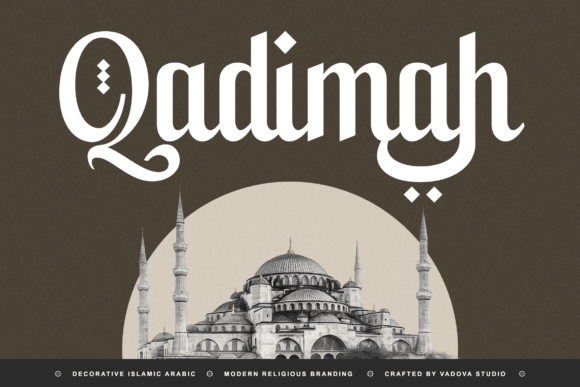
There's a moment in every creative project when you realize the typography isn't just holding the words—it's telling the story. If you've been searching for a typeface that carries cultural depth while still feeling fresh and relevant, Qadimah might be the answer you didn't know you were looking for. This decorative display font draws from Islamic ornamental traditions, weaving together elegant curves, teardrop terminals, and diamond-shaped diacritics into a modern serif framework that commands attention without overwhelming the eye.
What makes this particular typeface stand out in a crowded market of premium fonts is its ability to bridge two worlds. It honors the geometric precision and flowing beauty of Arabic calligraphic heritage while fitting comfortably into contemporary design workflows. Whether you're building a brand from scratch, refreshing your visual identity, or creating a one-off marketing campaign, understanding what Qadimah brings to the table can help you make smarter typographic decisions.
A Typeface with Character You Can Actually Use
Let's be honest—many decorative fonts look stunning in specimen sheets but fall apart in real-world applications. They're either too ornate to read at smaller sizes, too niche to work across multiple platforms, or too trendy to age well. Qadimah sidesteps these problems by balancing its decorative elements with structural clarity. The letterforms maintain a consistent weight and rhythm that keeps paragraphs legible even when the font is used for longer headlines or subheadings rather than single-word logos.
The diamond-shaped diacritic accents are a particularly smart design choice. Rather than relying on standard dots and strokes, these small geometric touches add visual interest without cluttering the letter spacing. They give words a subtle jewel-like quality that catches the eye during a quick scan—exactly what you want from a display font in editorial design or social media graphics where you have maybe two seconds to grab someone's attention.
Practical Applications Across Your Projects
If you work in branding, you know that a typeface needs to do more than look good in isolation. It has to work within a system—paired with secondary fonts, scaled across different media, and adapted to various content types. Here's where Qadimah proves its versatility:
- Logo design: The font's distinctive curves and terminals give logos an immediate sense of identity. A boutique hotel, an artisan food brand, or a cultural organization could use Qadimah as a primary logotype and instantly communicate sophistication with a nod to Middle Eastern aesthetics.
- Packaging design: On product labels and boxes, the ornamental details read as premium craftsmanship rather than decoration for decoration's sake. Think specialty teas, handmade cosmetics, or gourmet spices—products where visual storytelling directly influences purchasing decisions.
- Editorial layouts: Magazine features, book covers, and blog headers benefit from the font's ability to set a mood quickly. A travel publication covering Morocco or a lifestyle brand inspired by Mediterranean culture would find Qadimah particularly fitting.
- Invitations and event materials: Wedding invitations, gala programs, and cultural event promotions often need typography that feels celebratory and refined. This typeface delivers that without crossing into overly formal territory.
- Web design and digital products: Used for hero sections, landing page headlines, or digital product covers, Qadimah creates focal points that guide visitors through your content hierarchy naturally.
- Merchandise and print materials: From tote bags to posters, the font's bold presence translates well to physical products where you need type to hold its own against imagery and texture.
Pairing Qadimah with Other Fonts
No display font works in isolation. The real magic happens when you pair it thoughtfully with complementary typefaces. Because Qadimah has such a strong personality, it works best alongside quieter companions. A clean sans serif font for body text creates a pleasing contrast—the ornamental headlines draw readers in, and the simple body copy keeps them reading without visual fatigue.
For projects that lean more editorial or literary, consider pairing it with a classic serif font at smaller sizes. The key is to let Qadimah do the heavy lifting at display sizes while your secondary typeface handles the functional work. Avoid pairing it with another decorative or script font, as competing ornamental styles tend to create visual noise rather than harmony.
When testing font pairings, mock up real content rather than just typing sample words. Build a fake social media post, a homepage hero section, or a product label with actual copy. This reveals how the fonts interact at different sizes, weights, and spacing—things you won't catch by looking at isolated characters.
Readability and Professional Presentation
One concern designers often have with culturally inspired display fonts is readability across different audiences. Qadimah addresses this by keeping its letter structures recognizable even when adorned with decorative elements. The teardrop terminals and curved strokes follow consistent logic, so readers unfamiliar with Arabic calligraphic traditions can still process the text without confusion.
That said, context matters. This is a display typeface, which means it shines at larger sizes—think headlines, banners, and hero text. Using it for body copy at 12 pixels on a website would be like wearing a ball gown to the grocery store: technically possible, but missing the point. Reserve it for moments where you want typographic impact, and let simpler fonts handle the everyday communication.
For small business owners and entrepreneurs building brand identities, investing in a premium font like Qadimah signals professionalism. Custom typography separates brands that look assembled from those that look designed. When your Instagram graphics, website headers, and printed materials share a consistent typographic voice, people start recognizing your brand before they even read the words.
Choosing the Right Font for Your Brand Identity
Before committing to any typeface for a branding project, ask yourself a few practical questions. Does this font match the emotional tone of your brand? A luxury wellness brand and a streetwear label both need distinctive typography, but they need very different kinds of distinction. Qadimah's graceful curves and cultural resonance make it a strong fit for brands that want to communicate heritage, elegance, artisanal quality, or global sophistication.
Also consider your licensing needs. If you're creating designs for clients, selling merchandise, or distributing digital products, you'll need a commercial license that covers your specific use case. Most premium font foundries offer different licensing tiers—desktop, web, app, and server—so review the terms carefully before purchasing. This protects both you and your clients from unexpected legal complications down the road.
Finally, test the font in context before finalizing your decision. Download trial versions when available, set real headlines with your brand name and tagline, and view the results at multiple sizes. Typography that looks perfect at 72 points on your monitor might feel different at 24 points on a business card. The goal is a typeface that works hard across every touchpoint where your audience encounters your brand—and Qadimah has the versatility to deliver exactly that kind of consistent, memorable presence.