Graffiti Rusty: Capturing Urban Energy in Your Brand's Typeface
There’s a raw, undeniable energy to street art—the way a bold splash of color or a jagged, spray-painted letter can stop you in your tracks on a city sidewalk. Translating that visceral, rebellious spirit into a digital design project is no small feat. Most standard fonts feel too clean, too corporate, or too predictable. This is where a typeface like Graffiti Rusty steps in, offering a direct channel to that authentic urban aesthetic. It’s not just a collection of letters; it’s a visual attitude, designed for projects that refuse to blend into the background.
More Than Just Letters: The Visual Personality of Graffiti Rusty
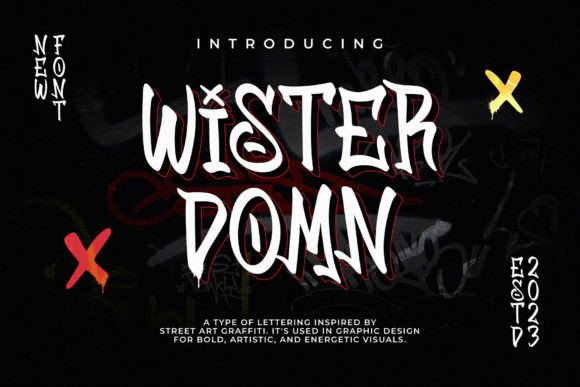
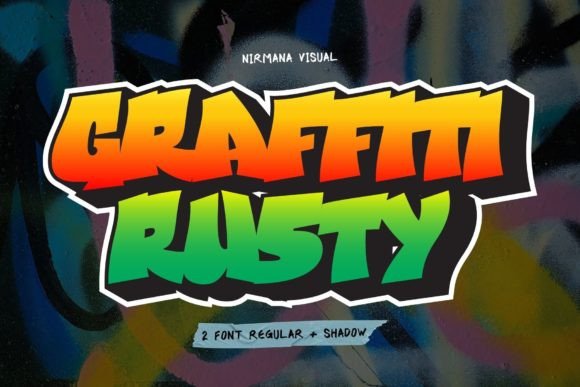
At its core, Graffiti Rusty is a bold display font built for impact. Its uppercase characters are thick and substantial, designed to command attention at any size. What truly sets it apart are the details: jagged, irregular edges that mimic the uneven spray of an aerosol can, and unique embellishments that suggest the texture of rust, peeling paint, or weathered surfaces. This isn’t a sterile, geometric sans serif; it’s a creative font with a tangible, gritty personality. The result is a typeface that feels handmade, immediate, and full of character—perfect for injecting a dose of authentic street style into your work.
Where Does This Edgy Typeface Shine? Real-World Applications
Understanding a font’s personality is one thing; knowing where to deploy it effectively is another. Graffiti Rusty isn’t a workhorse for body copy, but for specific, high-impact roles, it’s incredibly powerful. Consider these practical applications for designers, entrepreneurs, and creators:
- Branding & Logo Design: For a music label, a skate brand, an urban clothing line, or a cutting-edge podcast, a logo set in Graffiti Rusty instantly communicates a rebellious, non-conformist identity. It tells your audience you’re different before they read a single word of your mission statement.
- Posters & Event Flyers: Music festivals, gallery openings, underground club nights, or streetwear pop-ups benefit immensely. The font’s energy makes event details impossible to ignore, especially when paired with dynamic graphic elements.
- Packaging & Merchandise: Imagine a hot sauce label, a craft beer can, or a line of graphic tees. Using Graffiti Rusty for product names or slogans adds a layer of authenticity and edge, appealing to consumers who value bold, distinctive style.
- Social Media Graphics & Websites: In the endless scroll of a social feed, a striking header image or a promotional graphic using this display font can stop the thumb. It’s equally effective for hero sections on websites targeting a young, creative demographic.
- Editorial Design & Digital Products: Think of chapter titles in a book about street culture, headlines in an indie magazine, or the title screen for a YouTube video series. It sets a powerful, thematic tone.
Integrating Graffiti Rusty Into Your Design Workflow
Using a specialty font effectively requires a bit of strategy. Here’s how to make Graffiti Rusty work for you without overwhelming your project.
Pairing is Everything: A font with this much personality needs a quiet partner. Pair it with a clean, neutral sans serif font for subheadings or body text. Think of Graffiti Rusty as the lead singer—the supporting band (your other typeface) needs to provide a steady, readable rhythm. A simple, modern sans serif like Open Sans, Lato, or Montserrat often creates a perfect contrast, letting the headline shine while ensuring the rest of your content remains legible.
Prioritize Readability: Because of its decorative, textured nature, Graffiti Rusty is best used for short bursts of text—headlines, titles, logos, and single-word statements. Avoid using it for long paragraphs or small body copy, where its intricate details could become muddy and difficult to read, especially on screen. Always test your designs at the actual size they’ll be viewed.
Match the Font to the Project Goal: Ask yourself: does this project’s core message align with themes of urban culture, rebellion, creativity, or raw energy? If you’re designing for a law firm, a children’s book, or a wellness brand, Graffiti Rusty is likely the wrong choice. But for a street food festival, an indie game, or a music artist’s brand identity, it can be the perfect design asset that captures the intended vibe instantly.
Practical Considerations for Professional Use
Before you commit, a few practical notes ensure a smooth experience. First, check what’s included with your premium font purchase. A well-designed package often includes multiple styles—perhaps a regular, an outline, or a distressed version—giving you more creative flexibility. Second, and crucially, understand the commercial licensing. If you’re using Graffiti Rusty for a client’s logo, merchandise for sale, or a paid product, you need a license that explicitly covers commercial use. Reputable font foundries make this clear on their product pages.
Finally, don’t be afraid to experiment. Try different colors, scales, and placements. Sometimes, using the font in an unexpected context—like a bold invitation for a gritty-themed party—can yield brilliant results. The key is to let the typeface’s built-in personality guide your creative direction, not fight against it.
In a landscape saturated with safe, predictable typography, Graffiti Rusty offers a genuine alternative. It provides the tools to build a brand identity that feels alive, textured, and authentically connected to the pulse of street culture. For the right project, it’s not just a font choice—it’s a statement of intent.