Why Hyper Realism is the Font Your Modern Brand Needs Right Now
Every brand has a voice, but in a crowded marketplace, the visual tone you set is just as critical as the words you choose. It’s the silent ambassador that introduces your business before a single line of copy is read. For those building something with a forward-thinking, sharp, and confident identity, the typography you select is a foundational decision. This is where a typeface like Hyper Realism enters the conversation—not as just another option, but as a specific tool for crafting a distinct and contemporary presence. It’s a cool, techno-style display font designed for impact, engineered for the logos, headlines, and digital interfaces that define modern creative projects.
A Typeface Built for the Digital Frontier
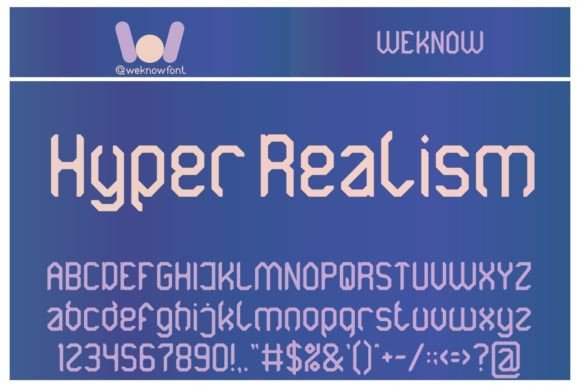
What immediately sets Hyper Realism apart is its visual personality. This isn't a font that whispers; it speaks with clarity and a measured, technological confidence. Its design draws from the clean lines and structured forms of the digital age, yet it avoids feeling cold or sterile. The letterforms are meticulously crafted with sharp, precise edges and subtle geometric influences, giving text a polished, almost engineered look. This makes it exceptionally suited for contexts where clarity and a modern aesthetic are paramount. Think of the sleek branding on a new tech startup's website, the bold title card of an indie video game, or the striking cover of a futuristic graphic novel. Hyper Realism provides that visual shorthand for innovation and sophistication.
Its strength as a display font means it’s optimized for larger sizes, where its detailed character can truly shine. Used in a logo, it creates an immediate sense of authority and style. As a headline on a poster or a magazine spread, it commands attention without overwhelming the content that follows. This is the essence of effective modern typography—a typeface that serves a clear purpose while elevating the overall design.
From Brand Identity to Social Media Feeds
The practical applications for a font like Hyper Realism are vast, spanning both digital and physical realms. For brand identity, it becomes the cornerstone. A logo set in Hyper Realism can define a company's entire visual language, suggesting precision and forward momentum. This extends naturally to corporate identity materials—business cards, letterheads, and presentations gain a cohesive, professional edge.
In the realm of packaging design, particularly for tech products, cosmetics, or premium beverages, this typeface can help a product stand out on a crowded shelf. Its clean readability ensures product names and key information are communicated instantly, while its style conveys a sense of premium quality. The same principles apply to editorial design. Whether it's the masthead of a magazine, chapter headings in a book, or titles in a comic, Hyper Realism adds a layer of polished visual interest that engages the reader.
For digital creators and marketers, the font is a powerful asset. Social media graphics need to stop the scroll, and bold, stylish typography is a primary tool for doing so. Hyper Realism can be used for YouTube thumbnails, Instagram story headers, and quote graphics to create a consistent and recognizable aesthetic across all platforms. On websites and blogs, it’s perfect for hero section headlines, call-to-action buttons, and section dividers, guiding the user's eye and reinforcing the brand's visual tone. Its clarity ensures these crucial elements remain readable and effective across devices.
Making Strategic Typography Choices
Choosing a font is a design decision, but it's also a strategic one. The goal isn't just to find something that looks good in isolation, but to find a typeface that aligns with your project's objectives. Hyper Realism, with its techno-style character, is ideal for projects aiming to communicate innovation, reliability, and a clean, modern edge. It’s a premium font choice that signals investment in quality.
A critical part of using any display font effectively is font pairing. Hyper Realism's bold personality means it should be balanced with a more neutral, highly readable companion for body text. Pairing it with a clean sans serif font for paragraphs creates a harmonious and legible hierarchy. For a more dynamic contrast, it can sometimes work with a simple serif font, though this requires careful testing to ensure the styles don't clash. The key is to let Hyper Realism own the headlines and key moments, while the supporting font handles the heavy lifting of long-form content.
Always test your chosen font pairings in context. Mock up a social media post, a website header, or a business card layout. Check the readability at different sizes and on different backgrounds. Does the headline still pop? Is the body text comfortable to read for more than a few seconds? This practical testing is what separates a good idea from a polished, professional execution.
Integrating Hyper Realism into Your Creative Workflow
Once you've decided Hyper Realism is the right fit, exploring its full potential is key. A well-designed creative font often comes with a range of styles and weights. Investigate what's included in the package. Are there italic versions? What about alternate characters or stylistic sets? These variations can provide incredible flexibility, allowing you to use the same typeface family across a project while creating visual diversity. For instance, you might use a bold weight for your main logo, a regular weight for major headlines, and an italic style for pull quotes or special callouts.
Licensing is another practical consideration, especially for commercial work. Ensure the commercial font license covers all your intended uses, from digital products and websites to printed merchandise and marketing materials. Understanding the terms upfront prevents legal headaches down the road and is a mark of a professional designer or business owner.
Ultimately, a typeface like Hyper Realism is more than just a set of letters. It's a design asset that can help build visual consistency across every touchpoint of your brand or project. When your logo, website, social media, and printed materials all share a cohesive typographic language, you build stronger brand recognition. Your audience begins to associate that specific visual style with your message, creating a more memorable and professional impression. In the quest to stand out and communicate clearly, having the right typographic tools in your arsenal makes all the difference.