Distressed Paint: The Gritty Font That Gives Your Designs a Raw Edge
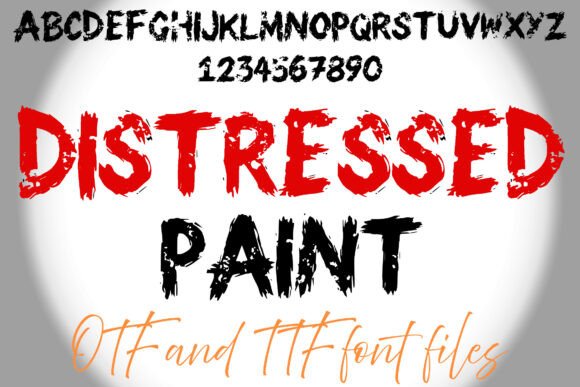
There’s a certain energy you can’t fake. It’s the crackle of a vintage vinyl, the faded paint on an old brick wall, the worn-in feel of a favorite leather jacket. In the world of design, capturing that authentic, lived-in texture is a powerful tool. Distressed Paint is a bold and gritty display font that captures the raw texture of hand-painted, weathered lettering. Each character is designed with rough edges and irregular strokes, giving it a rebellious, urban feel. Perfect for posters, album covers, signage, or any project that needs a splash of rugged attitude, this font brings high-impact energy with a distressed twist.
More Than Just a Typeface: The Psychology of Texture
Why does a font like Distressed Paint resonate so deeply? It bypasses the polished, corporate veneer and speaks to something more primal: authenticity, craftsmanship, and a bit of rebellion. In a digital landscape saturated with clean, vector-perfect typography, a distressed typeface stands out. It suggests a story. A logo set in Distressed Paint doesn’t just say a company name; it hints at a journey, a DIY ethos, or a commitment to raw quality. For a craft brewery, it evokes the hands-on process. For a rock band, it’s the visual equivalent of a guitar riff. For a streetwear brand, it’s the uniform of the subculture. This font isn’t just read; it’s felt.
Practical Applications: Where Grit Meets Strategy
Understanding the font's personality is one thing, but applying it effectively is where the real value lies. This isn't a universal solution—it's a precision tool for specific jobs. Here’s how you can deploy it across your creative projects.
Branding and Logo Design: For brands aiming for a rugged, artisanal, or vintage aesthetic, Distressed Paint can become the cornerstone of their visual identity. Imagine a logo for a small-batch coffee roaster, a motorcycle workshop, or an outdoor adventure company. The font immediately communicates the brand's core values without a word of explanation. It pairs exceptionally well with clean, minimalist sans-serif fonts for body text, creating a striking contrast that guides the viewer’s eye.
Packaging and Merchandise: On a product label, texture is everything. Distressed Paint can make a hot sauce label look fiery and authentic, or give a line of grooming products a classic, barbershop feel. For merchandise like t-shirts, hats, and tote bags, this font transforms a simple graphic into a statement piece. It’s the kind of typography you see on band tees and festival posters because it communicates belonging and attitude.
Digital and Print Marketing: In the crowded space of social media, a thumb-stopping graphic is gold. Use Distressed Paint for headlines in Instagram posts, Facebook ads, or YouTube thumbnails to grab attention with its unmistakable texture. For print materials like flyers for a local gig, menus for a pub, or event posters, it adds a layer of tactile realism that digital-only fonts often lack. It tells your audience this event or product is tangible, real, and worth their time.
Making It Work: Readability and Pairing
The very characteristics that make Distressed Paint so appealing—its rough edges and irregular forms—require careful handling. Its power is in its impact, not in its subtlety, which means it’s built for headlines, logos, and short, punchy phrases. You wouldn’t set a paragraph of body copy in this font; that would sacrifice readability for style.
The key is font pairing. Balance its energy with a calm, highly legible companion. A classic sans-serif font like Helvetica, Futura, or Open Sans works beautifully for body text, providing a clean counterpoint. For a more traditional or editorial feel, a sturdy serif font like Georgia or Times New Roman can ground the distressed headlines. The goal is contrast and hierarchy. Let Distressed Paint be the loud, charismatic lead singer, and let your secondary font be the steady, reliable rhythm section.
A Practical Checklist Before You Commit
Before integrating Distressed Paint into your workflow, consider these points to ensure it elevates your project rather than complicates it.
- Review the Font Family: Does the premium font pack include multiple weights or styles? Often, a distressed typeface will come with variations—perhaps a cleaner version, a bold weight, or alternate characters. This gives you more flexibility to fine-tune the look.
- Test at Scale: View your design at the size it will be used. A texture that looks amazing on a poster might become a muddy blur when scaled down for a website favicon. Always check legibility in context.
- Understand the License: This is crucial for commercial projects. Verify that the commercial font license covers your intended use—whether it’s for client work, merchandise for sale, or a digital product you’re selling. Most premium fonts have clear licensing, but it’s your responsibility to ensure compliance.
- Color and Background: Distressed textures interact with their background. Test the font on various colors and over images. Sometimes, a simple drop shadow or a slight color adjustment can make the text pop without losing its gritty character.
The Final Brushstroke
Choosing a typeface is a fundamental design decision that shapes perception. Distressed Paint isn’t just another creative font; it’s a specific voice. It’s the choice for projects that need to communicate strength, history, authenticity, or a touch of organized chaos. By using it strategically—for the right brand, on the right material, and paired with the right companion—you can create designs that don’t just capture attention but hold it, leaving a lasting impression of texture and character. It’s a powerful addition to any designer’s toolkit, ready to lend its rugged voice to your next bold idea.