The Peanut Butter Font: A Quirky, Handcrafted Vibe for Your Designs
There's a certain charm in imperfection. We see it in the slightly uneven edges of a handmade ceramic mug, the wobbly stitches of a first-knit scarf, or the smudged ink of a letterpress print. In a world saturated with sleek, sterile digital perfection, this kind of organic texture feels authentic, approachable, and deeply human. This is the exact feeling the Peanut Butter font captures. It’s not a font that has been digitally distorted to look hand-drawn; it’s a natural display font, built without altering a single node from its original hand-lettered form. The result is a typeface that feels genuinely crafted, offering a unique personality that can instantly elevate a creative project from generic to memorable.
More Than Just a Name: Understanding the Font's Character
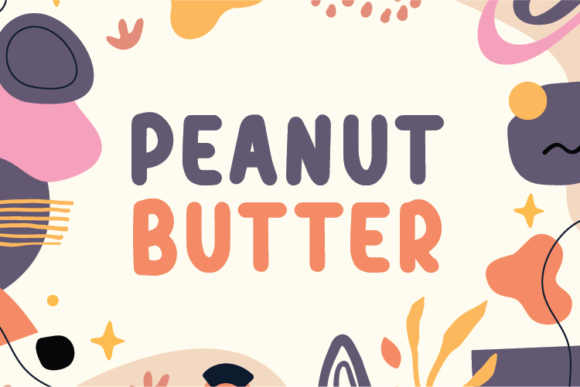
When you first look at Peanut Butter, you notice its warmth. The letters have a soft, rounded quality, with subtle variations in weight and baseline that mimic the natural flow of a hand holding a brush or pen. This isn't a rigid, geometric sans serif font. It’s a display font with a playful, slightly rustic character. Think of the typography you’d see on a cozy coffee shop chalkboard, a boutique’s craft paper bag, or the title of a whimsical children’s book. Its strength lies in its ability to convey a message with personality and a human touch.
This quality makes it an excellent choice for projects where you want to build an immediate, emotional connection with your audience. A premium font like this serves as a foundational design asset. It’s a tool in your creative kit that can help define a project’s mood before a single word of copy is even read. Whether you're a small business owner crafting your brand identity or a content creator designing social media graphics, choosing a typeface with a distinct personality like Peanut Butter is a strategic decision. It tells your audience something about who you are: creative, approachable, and thoughtful.
Where This Font Truly Shines: Practical Applications
The beauty of a creative font like Peanut Butter is its versatility across different media. Its primary role is as a headline or accent font, where its unique character can be fully appreciated without compromising readability in long blocks of text.
- Branding and Logo Design: For brands that want to feel artisanal, friendly, or nostalgic, Peanut Butter is a fantastic starting point. Imagine it on a logo for a local bakery, a handmade soap company, or a creative workshop. It instantly communicates a story of craft and care, helping to build strong brand recognition.
- Packaging Design: On a product label or box, this font can make a shelf-stable item feel like a local find. It pairs beautifully with kraft paper textures and simple, clean layouts, adding a touch of warmth that stands out from the cold, corporate typography of larger brands.
- Web and Blog Design: Used for blog post titles, pull quotes, or website banners, Peanut Butter can break the monotony of standard web fonts. It draws the eye and adds a layer of visual interest, improving audience engagement by making the reading experience more dynamic. It’s a great way to add personality to a web design without needing complex graphics.
- Print Materials and Invitations: From wedding invitations with a rustic theme to event posters for a community fair, the font adds a personal, celebratory feel. Its handcrafted nature makes it perfect for any print project where you want the final piece to feel special and bespoke.
- Merchandise and Product Design: Think about the typography on a tote bag, a t-shirt, or a coffee mug. A font like Peanut Butter feels right at home on merchandise, giving products a trendy, independent feel that people love to wear and use.
Pairing and Practicality: Making the Font Work for You
A great typeface rarely works in complete isolation. The key to using a display font like Peanut Butter effectively is in the pairing. Because it has such a strong, decorative personality, it needs a more neutral partner to create balance and ensure overall readability.
A classic strategy is to pair it with a clean, simple sans serif font for body copy. Fonts like Lato, Open Sans, or Montserrat provide a quiet, readable foundation that allows Peanut Butter’s headlines to pop. This combination creates a clear visual hierarchy, guiding the reader’s eye and improving the professional presentation of your work. For a different feel, you could pair it with a traditional serif font like Merriweather or Lora to create a more classic, editorial look, blending modern hand-lettering with timeless structure.
Before committing to a font for a major project, always test it. Type out the specific words and phrases you’ll be using. Check the kerning (the space between letters) and ensure it feels balanced. Consider all the font styles included in the package. Does it come with alternates, ligatures, or different weights? These extras can provide valuable flexibility, allowing you to fine-tune the look for different applications, from a bold logo to a delicate subheading.
A Final Thought on Choosing Your Tools
Ultimately, selecting a font is about choosing the right voice for your message. The Peanut Butter font offers a voice that is warm, authentic, and full of character. It’s a tool for designers, entrepreneurs, and creators who understand that modern typography isn’t just about legibility—it’s about communication. It’s about making your audience feel something. By incorporating a handwritten font like this into your marketing assets or editorial design, you’re not just decorating a page; you’re crafting an experience. Remember to review the commercial licensing to ensure it fits your project’s scope, and then have fun exploring how this unique script font can bring a little bit of handcrafted joy to your next creation.