Why Playful Comic is Your New Secret Weapon for Fun Design
If you’ve ever looked at a standard sans-serif font and felt a pang of boredom, you know the struggle of designing for a younger or more energetic audience. You want something that screams "fun," but you also need it to be professional and readable. Enter Playful Comic, a typeface that bridges the gap between the chaotic energy of a Saturday morning cartoon and the structured needs of modern design. It’s bold, it’s bouncy, and it’s exactly what you need to inject some personality into your next project.
I recently used a similar style for a local bakery’s rebranding, and the difference was night and day. Suddenly, the brand didn't just sell cupcakes; it sold joy. That is the power of a well-crafted display font. It sets the tone before the viewer even reads a single word.
The Anatomy of Fun: Visual Characteristics
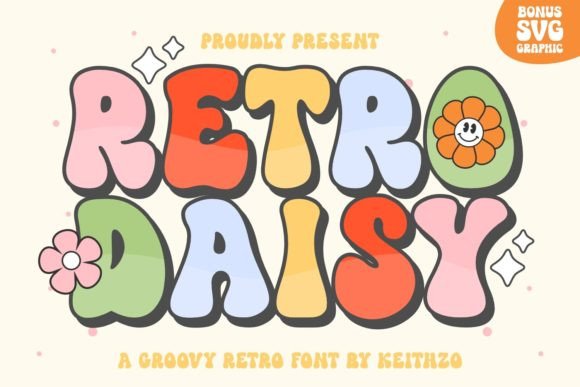
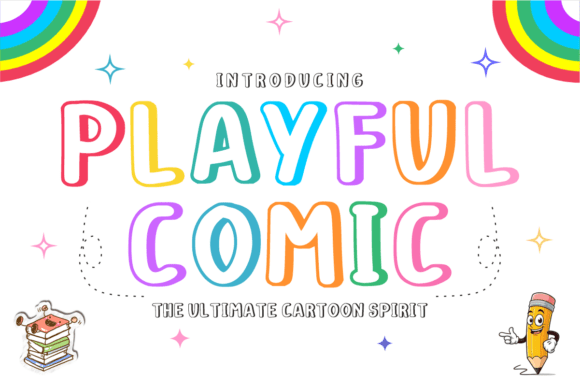
So, what makes Playful Comic tick? At its core, this is a chunky, rounded display font. Unlike traditional serif fonts that use small strokes to guide the eye, or rigid sans-serif fonts that prioritize neutrality, this typeface prioritizes character. The letterforms are thick and slightly irregular, mimicking the hand-lettered look of vintage comic books. This "bouncy" baseline creates a sense of movement on the page, which is crucial for grabbing attention quickly.
One of the standout features here is legibility. A common problem with decorative fonts is that they sacrifice readability for style. You might have a beautiful script font, but if no one can read the headline on a mobile screen, it fails. Playful Comic avoids this trap. The letters are well-spaced, and the shapes are distinct enough to be read at a glance. This makes it an excellent choice for everything from large-scale posters to smaller text on digital interfaces.
From Screen to Vinyl: Practical Applications
For the crafters and small business owners reading this, you know that not all fonts are created equal when it comes to physical production. If you work with a Cricut or Silhouette machine, weeding intricate script fonts can be a nightmare. This is where a premium font like this really shines. The bold, clean lines of Playful Comic make it incredibly easy to weed, saving you time and frustration during the production process.
But the utility goes far beyond stickers and vinyl decals. Consider the versatility of this typeface across different mediums:
- Children's Apparel: The rounded, friendly aesthetic is perfect for t-shirt designs that appeal to both kids and parents.
- Classroom Materials: Teachers and educational content creators can use this font to make worksheets and posters feel more approachable and less intimidating for students.
- Food Packaging: Think about snack brands or cereal boxes. That "fun" feeling often comes from a chunky, bouncy font style that suggests the product inside is enjoyable.
- Digital Products: If you sell planners, workbooks, or Canva templates, using a distinct font like this can differentiate your product from the thousands of generic options on the market.
Integrating into Your Brand Identity
Typography is a cornerstone of brand identity. The fonts you choose tell a story about who you are. A luxury brand might lean towards a high-contrast serif font to convey elegance, while a tech startup might use a geometric sans-serif to appear modern and clean. If your brand values are centered around creativity, joy, energy, or youthfulness, Playful Comic is a strong contender.
However, using a display font effectively requires strategy. You wouldn’t want to write your entire website's body copy in a heavy comic style—that would cause eye strain. Instead, use it as a tool for hierarchy.
- Headlines and Sub-headers: Use the bold weight to grab attention immediately.
- Call-to-Actions: A "Buy Now" or "Learn More" button in a friendly font can feel more inviting than a harsh command.
- Highlighting Key Info: Use it to draw the eye to a specific sale price or a fun fact in a brochure.
Pairing is also key. To keep your design grounded, pair this display font with a clean, neutral sans-serif font for your body text. This contrast allows the headers to pop without overwhelming the reader. For example, combining the bouncy energy of Playful Comic with the stability of a font like Open Sans or Montserrat creates a balanced visual experience that feels both professional and approachable.
Standing Out in a Crowded Market
We are bombarded with visual noise every day. As a designer or business owner, your goal is to cut through that noise. Generic typography often leads to generic branding, which makes it harder for customers to remember you. By utilizing a distinct typeface like Playful Comic, you create a visual hook.
Imagine scrolling through a social media feed. Most of the text is standard, predictable, and boring. Then, an ad pops up with bold, bubbly lettering that looks like it could jump off the screen. That visual disruption stops the scroll. It creates an emotional response—in this case, happiness or curiosity—before the viewer has even processed the message.
When choosing a creative font for commercial use, always ensure you are looking at licensing. A premium font usually comes with a license that covers both personal and commercial projects, giving you peace of mind when you put that design on a t-shirt you plan to sell or a logo for a client. It’s an investment in your toolkit that pays dividends in the quality and uniqueness of your work.
Ultimately, design is about communication. Whether you are creating an invitation for a child’s birthday party, designing a logo for a new toy brand, or mocking up graphics for a blog, the right typeface speaks volumes. Playful Comic offers a way to communicate warmth and enthusiasm instantly, making it a valuable asset for anyone looking to bring a little more fun into their visual world.