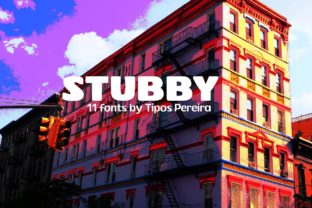
Stubby: A Sweet and Charming Font for Relaxed Design Vibes
You know that feeling when a design just clicks? It's not too loud, not too fussy—it just feels right. That's the magic a great display font can bring to the table. If you're on the hunt for a typeface that's friendly, approachable, and packed with personality without trying too hard, let me introduce you to Stubby. This sweet and charming display font is designed to inject a relaxed, welcoming vibe into any project you're working on.
What Makes Stubby Stand Out in a Crowd of Typefaces
Stubby isn't just another font; it's a mood. Its letterforms have a soft, rounded quality that feels both modern and playful. Unlike rigid sans-serifs or overly formal serifs, Stubby strikes a balance. It's legible at a glance but carries enough character to make a headline pop or a logo memorable. Think of it as the typographic equivalent of a warm smile—it puts people at ease and makes them feel welcome.
This kind of personality is gold for branding. If your business or project has a friendly, approachable, or creative identity, Stubby can become a core part of your visual language. It works beautifully for brands that want to feel human and relatable, not corporate and distant. Imagine a local bakery's menu, a lifestyle blog's header, or the packaging for a handmade skincare line—Stubby fits right in, adding a touch of charm without overwhelming the message.
From Logos to Social Posts: Where Stubby Truly Shines
The real test of a good font is how it performs in the wild. Stubby is a versatile player, but it excels in specific scenarios where its relaxed vibe can take center stage.
Logo Design & Brand Identity: For startups, small businesses, or personal brands, a logo set in Stubby feels instantly friendly and memorable. It's particularly effective for brands in the food, wellness, craft, or lifestyle spaces. Pair it with a simple icon or let it stand alone—either way, it builds brand recognition with a soft, confident touch.
Packaging & Merchandise: On a shelf or in an online store, packaging needs to tell a story quickly. Stubby's clear, sweet letterforms are perfect for product names on coffee bags, artisanal goods, or apparel tags. It makes the product feel accessible and crafted with care. For merchandise like tote bags, mugs, or stickers, it adds a friendly, indie aesthetic that people love.
Digital Presence & Social Media: In the fast-scrolling world of Instagram, Pinterest, or TikTok, you have seconds to capture attention. Using Stubby for your social media graphics, story headlines, or website banners can create a cohesive and engaging visual feed. Its readability on screens makes it a practical choice for blogs and digital products where a conversational tone is key.
Print Materials & Invitations: Think wedding invitations, event flyers, or thank-you cards. Stubby brings a handcrafted, personal feel to print. It’s legible enough for important details but stylish enough to feel special. For editorial layouts in magazines or lookbooks, it can be used for pull quotes or section headers to break up text and add visual interest.
Pairing Stubby: Building a Cohesive Typographic System
No font is an island. To create professional, readable designs, you need to think about font pairing. Stubby's friendly display nature means it works best as a headline or accent font. For body text, you'll want to pair it with a highly legible serif or sans-serif font that doesn't compete for attention.
A classic approach is to pair Stubby with a clean, neutral sans-serif like Montserrat or Open Sans. This keeps the focus on Stubby's charm for headlines while ensuring paragraphs are easy to read. For a more editorial or elegant feel, try pairing it with a simple serif like Lora or Merriweather. The contrast between Stubby's playful curves and the serif's structured lines can create a beautiful hierarchy.
The key is to test your pairings in context. Mock up a social media post, a business card, or a website header before committing. See how the fonts interact at different sizes. Does the body text feel too plain? Does the headline still stand out? This testing phase is where good design becomes great.
Practical Tips for Using Stubby Effectively
Before you dive in, here are a few practical considerations to make the most of this creative font:
- Review the Included Styles: Check what weights and styles come with your Stubby font package. Does it include a bold version for extra emphasis? An italic for subtle variation? Knowing your toolkit helps you use it more creatively.
- Consider Readability Context: While Stubby is legible for a display font, it's not meant for long paragraphs of body copy. Use it where its personality can shine—headlines, logos, short phrases, and callouts.
- Understand Licensing: If you're using Stubby for commercial projects (like client work, merchandise for sale, or paid digital products), ensure you have the correct commercial license. This is a crucial step for any design asset.
- Match the Mood to the Message: Ask yourself: does the relaxed, sweet vibe of Stubby align with my project's goal? It's perfect for a yoga studio but might not be the best fit for a law firm's annual report. Typography should always support the narrative.
More Than Just a Font: A Tool for Connection
Ultimately, choosing a typeface like Stubby is about more than aesthetics; it's about communication. In a world saturated with content, the fonts you choose help tell your story before a single word is read. They set a tone, evoke an emotion, and build a connection with your audience.
Stubby offers a way to cut through the noise with warmth and authenticity. It’s a design asset that helps small business owners look polished, helps content creators stand out, and helps hobbyists add a professional touch to their passion projects. By integrating a font with this much character into your toolkit, you're not just picking letters—you're choosing a voice for your brand that feels genuinely human and inviting. So next time you're starting a new project, consider giving Stubby a try. You might just find it's the missing piece that brings your whole design together.