Diobel: The Playful Display Font That Adds Instant Charm
There’s a moment in every design project when the typeface either clicks into place or falls flat. You’ve got the color palette sorted, the imagery curated, and the layout flowing—but the text feels sterile, generic, or disconnected from the personality you’re trying to build. That’s the gap Diobel was designed to fill. This isn’t just another display font; it’s a visual expression of warmth, approachability, and creative energy that makes your words feel alive on the page or screen.
A Typeface with Character in Every Curve
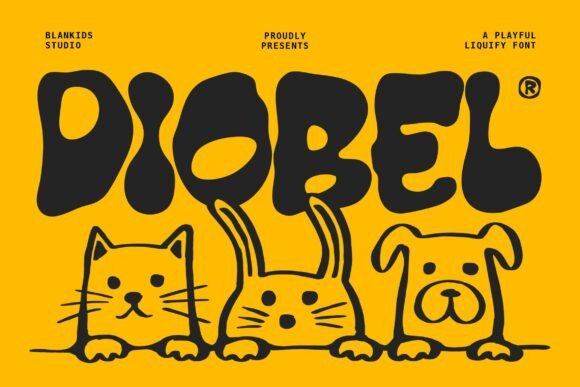
Diobel’s letterforms are intentionally rounded, soft, and slightly liquified, giving each character an organic, handcrafted quality. The strokes feel fluid rather than rigid, which creates an immediate sense of friendliness and approachability. Unlike geometric sans serifs that can feel cold or corporate, Diobel brings a tactile, almost playful energy to headlines, logos, and short text blocks. The font carries a distinct personality—bold enough to command attention, yet cute and expressive enough to feel inviting rather than aggressive.
What makes this display font particularly effective is its versatility within a specific aesthetic range. It works beautifully for brands and projects that want to communicate creativity, youthfulness, fun, or approachability. Think children’s products, lifestyle brands, artisan goods, creative services, or personal blogs with a vibrant voice. The rounded terminals and softened angles make Diobel feel modern without being trendy, distinctive without being distracting.
Where Diobel Shines: Practical Applications Across Design Projects
Choosing the right typeface often comes down to context. Diobel isn’t meant for body text in a legal document or a medical brochure—its strengths lie in headline-driven, visually expressive applications where personality matters as much as legibility. Here’s where this creative font truly excels:
- Logo design and brand identity: A logo sets the tone for everything a brand communicates. Diobel’s distinctive letterforms help startups, small businesses, and creative entrepreneurs establish a memorable visual identity that feels approachable and unique. Pair it with a clean sans serif for body copy, and you’ve got a brand system that balances personality with professionalism.
- Packaging design: On shelves crowded with competing products, typography can be the deciding factor. Diobel’s bold, friendly presence works exceptionally well for food packaging, cosmetics, children’s products, and artisan goods where a handcrafted, premium feel is desirable.
- Social media graphics: Scrolling feeds demand instant visual impact. Diobel grabs attention in Instagram posts, Pinterest pins, Facebook headers, and TikTok overlays. Its rounded, expressive style translates well to both static images and animated text treatments.
- Website headers and blogs: For web design projects targeting younger demographics or creative audiences, Diobel can serve as a striking headline font that sets the tone above the fold. It pairs well with neutral sans serif body fonts, creating visual hierarchy without sacrificing readability.
- Print materials and posters: Event posters, flyers, brochures, and editorial layouts benefit from a display font that commands attention. Diobel’s personality shines in large-format applications where its rounded details and soft curves become fully visible.
- Invitations and greeting cards: Whether it’s a birthday party, baby shower, or creative event, Diobel brings a celebratory, joyful quality that suits invitation design perfectly. It feels personal without being overly script-like or formal.
- Merchandise and digital products: T-shirts, mugs, tote bags, stickers, printable wall art, and digital planners all benefit from typefaces that feel distinctive and ownable. Diobel’s character-driven design makes it a strong choice for products where the text itself becomes part of the visual appeal.
Building Visual Consistency and Brand Recognition
One of the most overlooked aspects of brand building is typographic consistency. When a business uses five different fonts across its website, social channels, packaging, and printed materials, the result feels fragmented and unprofessional. Diobel, when adopted as a primary display typeface, creates an immediate visual anchor that audiences begin to associate with a brand’s personality.
This kind of consistency isn’t about rigid rules—it’s about creating a recognizable pattern. When someone sees a social media post, then visits a website, then picks up a product package, the shared typographic language creates subconscious familiarity. That familiarity builds trust, and trust drives engagement and loyalty. For small businesses and entrepreneurs working to establish their presence, this kind of brand recognition is invaluable.
Diobel’s premium font quality means the letterforms are carefully crafted with attention to spacing, kerning, and overall balance. This level of refinement matters because even subtle inconsistencies in letter spacing or weight distribution can make a design feel amateurish. A well-designed typeface handles these details for you, allowing you to focus on layout, messaging, and strategy.
Pairing Diobel with Other Typefaces
No font exists in isolation. The real power of a display font like Diobel comes alive through thoughtful font pairing. Because Diobel carries so much personality, it works best when balanced with a more neutral companion typeface. Here are a few practical pairing approaches:
- Diobel + Clean sans serif: A combination like Diobel with a geometric or humanist sans serif (think Montserrat, Open Sans, or Lato) creates clear hierarchy. Diobel handles headlines and pull quotes while the sans serif manages body text, captions, and UI elements.
- Diobel + Simple serif: For editorial layouts or blog designs with a slightly warmer tone, pairing Diobel with a readable serif font like Merriweather or Lora can create an interesting contrast between playful and traditional.
- Diobel + Monospace: For tech-adjacent brands or creative portfolios that want to blend personality with a modern edge, a monospace companion can add unexpected visual interest.
The key principle is contrast without conflict. If both fonts compete for attention, the design feels chaotic. Diobel should be the star of headlines and short, impactful text, while the supporting font handles the heavy lifting of longer paragraphs and smaller text sizes.
Readability and Practical Considerations
As a display typeface, Diobel is optimized for larger sizes—headlines, titles, logos, and short phrases where its rounded, expressive details can be fully appreciated. At smaller sizes, some of those details may lose clarity, which is typical for display fonts across the board. This isn’t a limitation; it’s a design reality that informs how and where to use it.
For body text, long-form reading, or dense information layouts, a complementary serif font or sans serif font will serve you better. This division of labor between display and text fonts is fundamental to good typography and professional presentation. Diobel does its job exceptionally well when used within its intended context.
Before committing to any typeface for a project, test it in real conditions. Set your actual headlines, not just placeholder text. Check how it renders on different screens and at different sizes. Print a sample if the project involves physical materials. These small steps prevent costly revisions later and ensure the font supports your design goals rather than working against them.
Licensing and Long-Term Value
When investing in a commercial font, licensing terms matter as much as aesthetics. Diobel’s licensing structure determines how you can use it across client projects, merchandise, digital products, and commercial applications. Always review the license details before purchasing—some fonts restrict usage to personal projects only, while others allow broad commercial application. For designers and agencies working with multiple clients, an extended or commercial license often provides the flexibility needed to use the typeface across diverse projects without legal complications.
A quality display font is a design asset that pays dividends over time. Unlike trendy effects or filters that feel dated within months, a well-crafted typeface remains useful across campaigns, seasons, and evolving brand strategies. Diobel’s balance of personality and versatility positions it as a long-term creative resource rather than a one-time novelty.
Whether you’re building a brand from scratch, refreshing a visual identity, or adding a creative font to your design toolkit, Diobel offers a distinctive voice that’s hard to replicate with more conventional typefaces. Its rounded, liquified forms bring a human touch to digital and print designs alike—making every word feel a little more alive, a little more personal, and a lot more memorable.