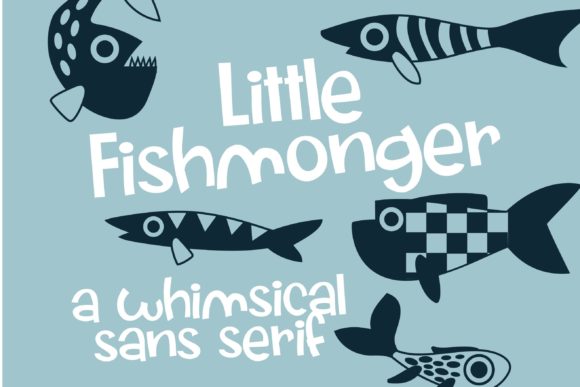
Little Fishmonger: A Quirky Font for Bold Branding
Finding a typeface that feels both playful and professional can feel like searching for a needle in a haystack. You want something with personality—something that stands out—but it also needs to work hard across different applications, from a tiny social media icon to a large product label. That's where a font like Little Fishmonger enters the conversation. It's a quirky, fun display font designed for projects that need a touch of character without sacrificing clarity or impact.
The Personality Behind the Letters
Little Fishmonger isn't your average, run-of-the-mill serif or sans serif. It's a display typeface, which means it's crafted to be used at larger sizes where its details can truly shine. Think of it as the headline act rather than the background singer. Its visual appeal lies in its balanced blend of whimsy and structure. The letterforms have a slightly irregular, handcrafted feel, but they're grounded by consistent proportions and clean lines. This prevents it from looking messy or childish, making it versatile enough for both commercial and creative work.
What makes it particularly effective is its ability to convey a specific mood. It has a vintage, slightly nostalgic vibe that can feel artisanal, friendly, or adventurous depending on the context. For a small business owner, this is gold. It means you can inject a distinct personality into your brand identity from the very first glance, helping you connect with an audience that values authenticity and creativity.
Where This Display Font Truly Shines
The real test of any premium font is how it performs in the wild. Little Fishmonger is built for a wide range of practical applications, making it a valuable addition to your design assets toolkit. Its strengths are most evident in projects where you need to make a memorable visual statement.
Product Packaging and Labels: Imagine a craft brewery's bottle label, a jar of artisanal jam, or a box of specialty chocolates. Little Fishmonger can give these products a distinctive shelf presence. It communicates quality and care, suggesting there's a story behind the product. For branding projects, using this typeface on your primary logo or as a supporting font for taglines can establish a strong, recognizable visual identity that customers will remember.
Digital Presence and Social Media: In the crowded space of social media graphics, a unique font can stop the scroll. Use Little Fishmonger for Instagram post headlines, YouTube thumbnails, or Pinterest pins to create consistent, eye-catching content. It works beautifully for bloggers and content creators looking to add a signature style to their digital products, like e-book covers or online course materials. For web design, it can be used sparingly for key headings or call-to-action buttons to draw attention, though pairing it with a more neutral body font is essential for readability.
Print and Editorial Design: The font's character makes it ideal for magazine covers, event posters, and editorial layouts where a bold headline is needed. It can also bring a personal touch to wedding invitations, greeting cards, or event programs. For marketers, consider it for the headline of a direct mail piece or a brochure cover to stand out from corporate, sterile communication.
Practical Advice for Using a Quirky Font Effectively
Adopting a font with as much personality as Little Fishmonger requires a thoughtful approach. The goal is to harness its charm without overwhelming your audience or compromising the professionalism of your project.
Font Pairing is Key: Never use a strong display font for long paragraphs of text. Its job is to grab attention. For body copy, pair it with a highly readable serif font or a clean, modern sans serif font. This creates a visual hierarchy that guides the viewer's eye. Test different pairings to see what feels balanced. A classic combination might be Little Fishmonger for headlines with a font like Lora or Open Sans for the supporting text.
Readability Comes First: Always prioritize legibility, especially at smaller sizes. Test your designs at the actual size they'll be viewed, whether on a mobile screen or a printed flyer. Ensure there's enough contrast between the text and the background. The font's slightly detailed letterforms need room to breathe, so avoid overly cramped line spacing (leading).
Review the Included Styles: When you license a commercial font like Little Fishmonger, check what styles are included. Does it come with bold, italic, or alternate characters? Knowing this allows you to create more dynamic and flexible designs within the same typeface family, maintaining brand consistency while adding variety.
Licensing Matters: If you're using the font for a commercial project—like for a client, for merchandise you sell, or for business branding—ensure you have the correct commercial license. This is a crucial step in professional practice that protects both you and the font creator.
Making It Work for Your Brand Identity
Ultimately, a typeface is a tool for visual communication. Little Fishmonger offers a specific voice: one that's approachable, creative, and full of character. It's particularly well-suited for brands in the food and beverage industry, boutique retail, creative services, or any business that wants to project a friendly, artisanal, or vintage-inspired image.
Before committing, gather some context. Look at brands you admire in your industry. What kind of typography do they use? How does Little Fishmonger compare? Use it in a mock-up of your logo, a sample social media post, or a product label draft. Seeing it in action against your own color palette and imagery is the best way to judge if it's the right fit. The goal isn't just to choose a font you like, but to choose one that effectively communicates your brand's unique story to the people you want to reach.